Why can you get a bladder infection after sex?
Sex is about pleasure, connection, and exploration. But what if, after a lovely evening together, you suddenly experience a burning sensation when you pee?
A bladder infection (UTI) after sex is relatively common and can be quite uncomfortable. Fortunately, there are ways to reduce the risk. And one of them starts before you even have sex: taking the time to become aroused.
Did you know that penetration that happens too quickly or without sufficient lubrication can cause additional friction around the urethra, making it easier for bacteria to enter the urinary tract?
At Aia*, we believe intimacy isn't something to rush. And taking your time may benefit not only your sex life but also your intimate health.

Why rushing into sex can increase the risk of a UTI
We've all been there: the attraction is there, the tension builds, and before you know it, you're moving on to penetration. But sometimes your body needs a little more time than your mind. When you begin penetration too quickly, before your body is sufficiently aroused or lubricated, additional friction can occur. And that friction can do more than simply make sex less comfortable.
The opening of the urethra is located just above the vaginal opening. During penetration, friction can irritate the sensitive tissue surrounding the urethra. This may make it easier for bacteria to enter the urinary tract, potentially increasing the risk of aUTI.
This is one of the reasons why sufficient arousal and lubrication are so important. When you become sexually aroused, blood flow to your genitals increases, the vagina generally becomes more lubricated, and the tissue becomes more flexible. This can make penetration more comfortable and reduce friction.
But arousal takes time. And how much time you need varies from person to person and from moment to moment. By allowing enough time for intimacy and using lubricant whenever it feels good, you can help reduce unnecessary friction and irritation. That doesn't mean you'll never get another UTI, but it is a way to be more mindful of your body and your intimate health.
Foreplay isn't an extra. It's part of sex.
Intimacy isn't something to rush through. Yet foreplay is still often seen as a brief warm-up before the "real thing" begins. But touching, kissing, massaging, and exploring each other can be just as important as penetration. By taking your time, you give your body the space it needs to build arousal.
And remember: everyone responds differently to sexual stimulation. Sometimes you're completely in the mood within a few minutes, while at other times you may need a little longer. There's no perfect amount of foreplay. What matters is listening to your own body and communicating with your partner.
Does something not feel comfortable yet? Slow down. Change positions. Add a little lubricant if needed. Or explore together what does feel good in that moment. Sex doesn't have to be fast to be exciting. In fact, consciously slowing down often creates more room for connection, sensation, and pleasure.
Lubricant: less friction, more pleasure
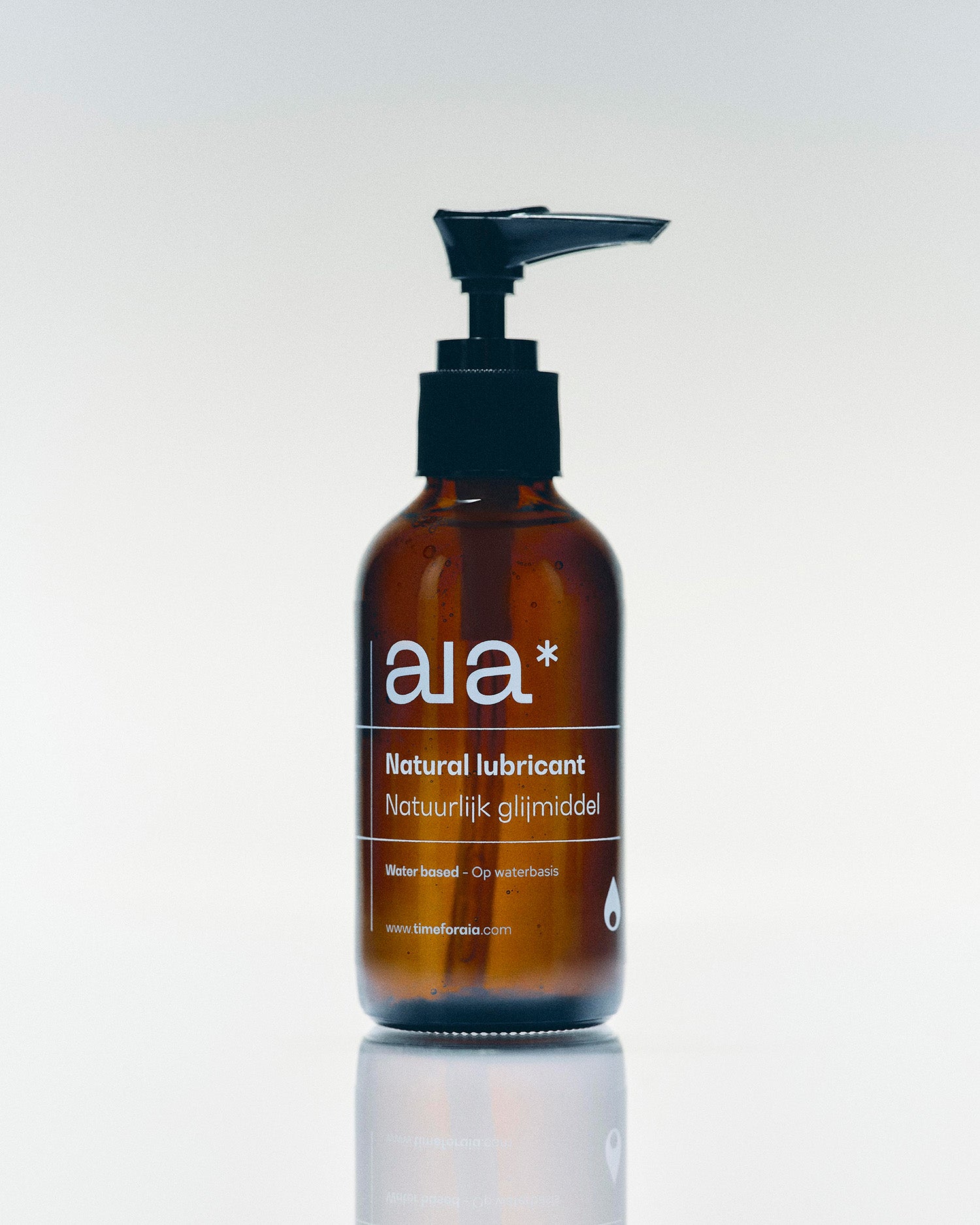
Even when you're sufficiently aroused, extra lubrication can be a wonderful addition. The amount of natural lubrication your body produces varies from person to person and from moment to moment. Your menstrual cycle, hormones, medication, stress, and menopause can all influence this. And producing less natural lubrication doesn't automatically mean you're not aroused. A good natural lubricant helps reduce friction during penetration.
This can make sex feel more comfortable and help prevent irritation caused by dryness. This is particularly relevant if you're sensitive to irritation around the vagina or urethra. Although lubricant isn't a proven method for preventing UTIs, it can help reduce one of the possible contributing factors: excessive friction.
And let's be honest: sex that feels comfortable is often simply much more enjoyable.
6 tips to reduce the risk of a bladder infection (UTI) after sex
In addition to sufficient arousal and lubrication, several habits may help reduce the risk of developing a UTI.
-
Take your time getting aroused
Don't start penetration simply because you think it's time for the next step.
Give your body the space it needs to become aroused, and use lubricant whenever it feels good. This can help reduce unnecessary friction and irritation around the vagina and urethra.
Pain isn't something you should simply accept as part of sex. Does something not feel right? Stop, slow down, or try something different.
If you regularly experience a burning or irritated sensation after sex, it's also important to pay attention to it.
And remember: foreplay doesn't have to be preparation for penetration. It can be the highlight of your intimacy all on its own.
-
Pee after sex
Perhaps the most well-known tip, and for good reason.
During sex, bacteria can reach the opening of the urethra. Peeing after sex may help flush bacteria out of the urinary tract.
You don't have to jump out of bed immediately, but try not to put off going to the bathroom unnecessarily.
-
Drink enough water
Drinking enough fluids throughout the day helps you urinate regularly. This helps flush bacteria out of the urinary tract.
Drink sufficient water throughout the day and avoid holding in your pee unnecessarily when you feel the urge to go.
-
Pay attention to hygiene, without overdoing it
Clean hands and sex toys are important.
Switching from anal to vaginal penetration? Clean the toy first or use a new condom. This helps prevent intestinal bacteria from being transferred towards the vagina and urethra.
Also, avoid harsh soaps and vaginal douches. Your vagina is self-cleaning and doesn't need fragranced products.
-
D-Mannose or cranberry supplements
Do you regularly experience UTIs after sex? D-mannose or cranberry supplements may be worth considering.
Most UTIs are caused by E. coli, a type of bacteria naturally found in the intestines. During sex, these bacteria can enter the bladder through the urethra and cause an infection.
Cranberries contain natural compounds that may help prevent E. coli bacteria from attaching to the bladder wall.
D-mannose is a naturally occurring sugar found in cranberries, among other sources, and is also available as a concentrated supplement.
The idea behind it is that D-mannose binds to certain E. coli bacteria, making it harder for them to attach to the bladder wall so they can be flushed out through urine.
However, it is often not sufficient for an existing or severe infection.
-
Use enough lubricant
Does penetration feel uncomfortable or dry? Add some lubricant.
Lubricant helps reduce friction and may therefore help prevent irritation of the sensitive tissue around the vagina and urethra.
Feel free to add a little extra if you notice things becoming drier during sex.
Do you regularly experience a UTI? It's best to avoid products containing spermicides, as these can increase the risk of urinary tract infections.
What if you keep getting bladder infections (UTIs) after sex?
Some people experience recurring bladder infections despite drinking enough water, peeing after sex, and paying attention to their intimate health. That doesn't automatically mean you're doing something wrong. Several factors may contribute, including hormonal changes, menopause, certain contraceptives, or an individual susceptibility to urinary tract infections.
Have you had two bladder infections within six months or three within a year? Discuss this with your doctor. There are treatments and preventive options specifically aimed at recurring bladder infections after sex. Are you experiencing symptoms such as a burning sensation when peeing, frequently passing small amounts of urine, or pain in your lower abdomen? Have a healthcare professional assess whether you may have a bladder infection. If you experience fever, chills, pain in your side, or feel significantly unwell, it's important to contact a doctor the same day. During pregnancy, it's also advisable to contact a doctor the same day if you suspect a bladder infection.
Intimacy starts with paying attention to yourself
Good sex isn't about how quickly you reach your destination, but how much pleasure you experience along the way. By taking your time to become aroused, using sufficient lubrication, and paying attention to your body, you can make intimacy not only more comfortable but often much more enjoyable. And if doing so helps reduce unnecessary friction and irritation around the urethra, that's a lovely added benefit for your intimate health. Unfortunately, you can't always prevent a bladder infection. But being mindful of your body is always a good place to start.
So, the next time you slip between the sheets together?
Take your time. Explore. Feel. Enjoy.
Source: Did my partner get her bladder infection from me? August 15, 2022.